
Awe inspiring Agion Oros (Mount Athos) Greek Orthodox Christianity (EN)
Mount Athos (/ˈæθɒs/; Greek: Ἄθως, [ˈa.θos]) is a mountain in the distal part of the eponymous Athos peninsula and site of an important centre of Eastern Orthodox monasticism in northeastern Greece. The mountain along with the respective part of the peninsula have been governed as the monastic community of Mount Athos, an autonomous region within the Hellenic Republic, ecclesiastically under the direct jurisdiction of the Ecumenical Patriarch of Constantinople. Mount Athos has been inhabited since ancient times and is known for its long Christian presence and historical monastic traditions, which date back to at least AD 800 and the Byzantine era.
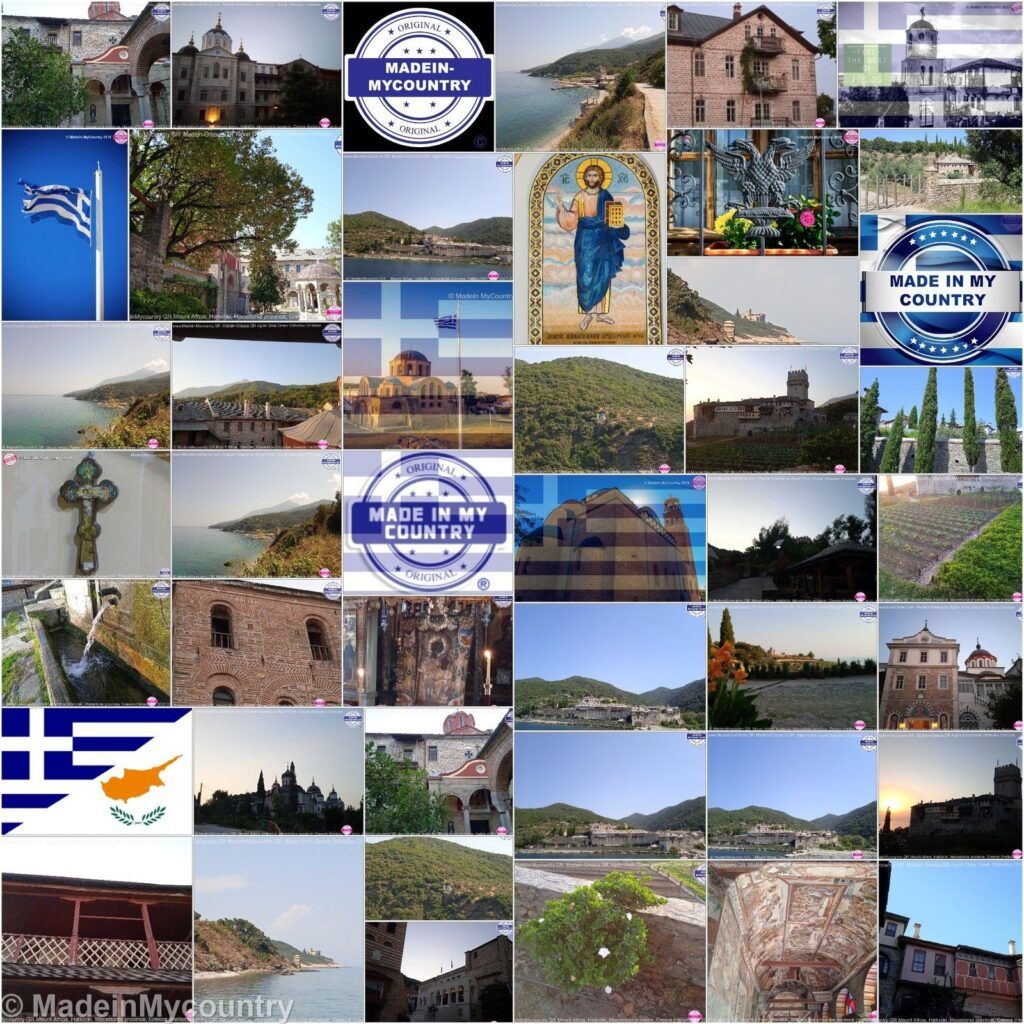
The Autonomous Monastic State of Mount Athos (abbr.: Mount Athos) is a self-governing part of the Greek State, located on the Athos peninsula of Chalkidiki, in Macedonia. It includes the twenty Holy Monasteries, their dependencies and various shops and services. Its status and mode of operation are determined in detail, in parallel with the Constitution of Greece, by the Statutory Charter of Mount Athos (K.CHAO.) of May 10, 1924.
Intellectually it is under the direct jurisdiction of the Ecumenical Patriarchate. Since 1988 it has been included in the list of World Cultural Heritage Monuments.
The Athos peninsula is the easternmost and most rugged of the three parallel peninsulas (Kassandra or Pallini, Sithonia or Longos – central, and Athos or Agios Oros, ancient Greek: Akti) that make up the peninsula of Halkidiki. This peninsula is covered by Mount Athos, 2033 m high, hence its name, and ends at the cape Nymphaeo or Akrothon.
Monastic institutions
The monastic institutions of Mount Athos are distinguished into six classes: the Holy Monasteries, the Sketes, the Cells, the Kalyves, the Kathismata and the Hermitages.
Holy Monasteries
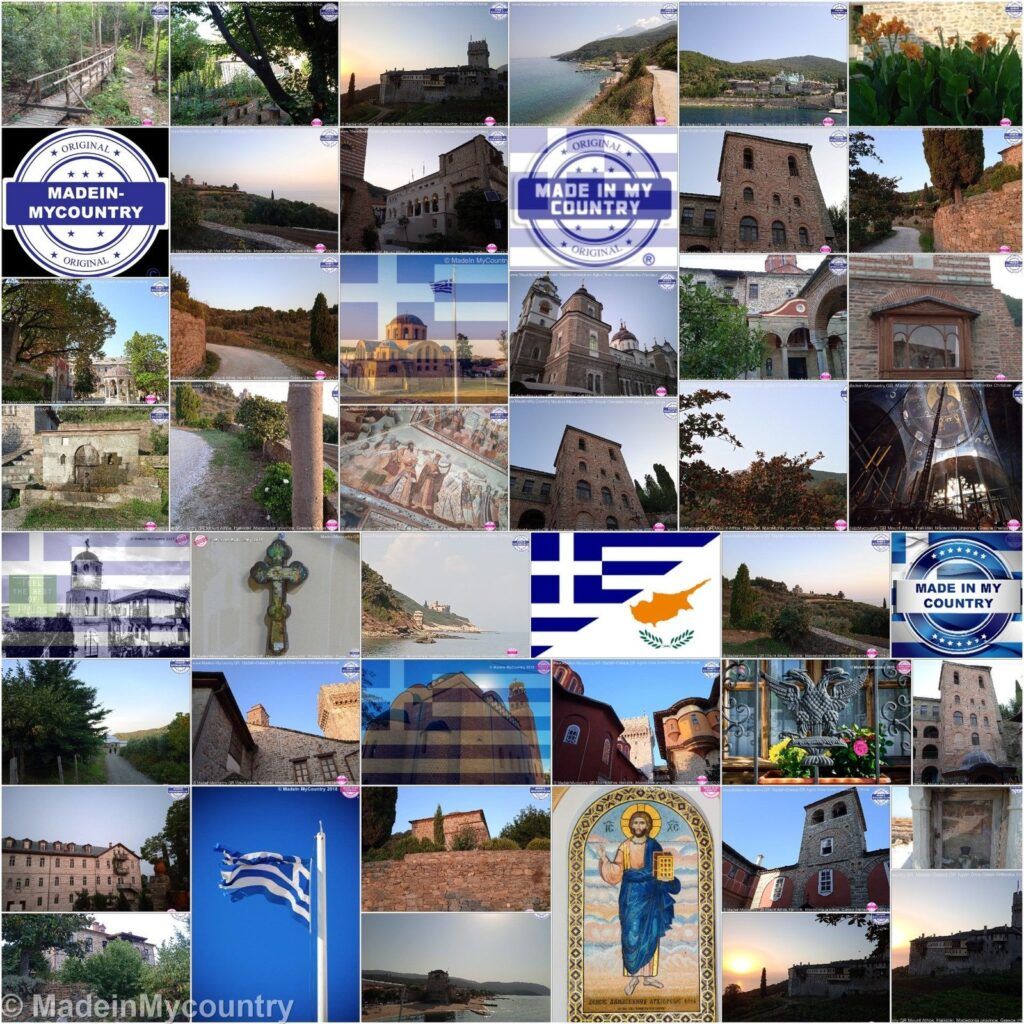
Mount Athos consists of twenty Holy Monasteries. According to the hierarchical order, the Holy Monasteries of Mount Athos, also called Athonite, which are self-governing and governed according to their internal regulations, which they vote for themselves and are approved by the Holy Community, are the following:
Holy Monastery of the Great Lavra (963)
Holy Monastery of Vatopedi (972)
Holy Monastery of Iveron (976)
Holy Monastery of Chilandari (1197)
Holy Monastery of Dionysios (1375)
Holy Monastery of Koutloumousios (12th century)
Holy Monastery of Pantokratoros (1363)
Holy Monastery of Xeropotamos (11th century)
Holy Monastery of Zografos (919)
Holy Monastery of Dochiarios (11th century) century)
Holy Monastery of Karakallos (1070)
Holy Monastery of Philotheos (992)
Holy Monastery of Simonos Petras (1363)
Holy Monastery of Saint Paul (11th century)
Holy Monastery of Stavronikita (1542)
Holy Monastery of Xenophon (1070)
Holy Monastery of Gregory (14th century)
Holy Monastery of Esphigmenos (11th century)
Holy Monastery of Saint Panteleimon (11th century)
Holy Monastery of Konstamonitos (1086)
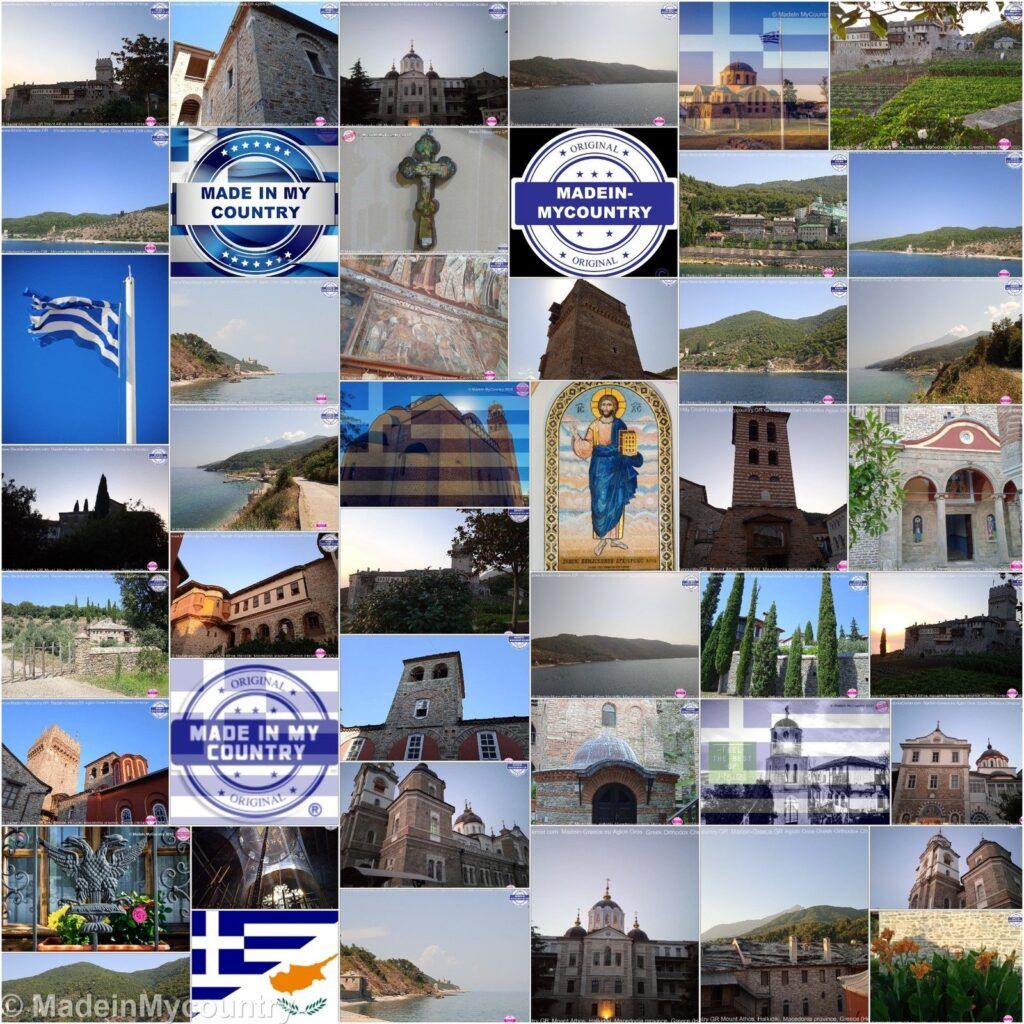
All the Holy Monasteries of Mount Athos are religious spiritual institutions and all are characterized as “Sovereign”, “Royal”, “Patriarchal” and “Stavropegic”.
Sovereign because they maintain ownership and organizational self-government of their area, not subject to any limitation as to the number of monks.
Royal because their establishment was due to the order or assistance of the Byzantine Emperors or their establishment was ratified by an imperial gold decree.
Patriarchal were later named with the issuance of patriarchal relevant sigils, when they were associated with the Ecumenical Patriarchate of Constantinople, which assumed their spiritual and only supervision.
Stavropegic because during their establishment a cross was placed on them, which was sent by the Ecumenical Patriarchate.
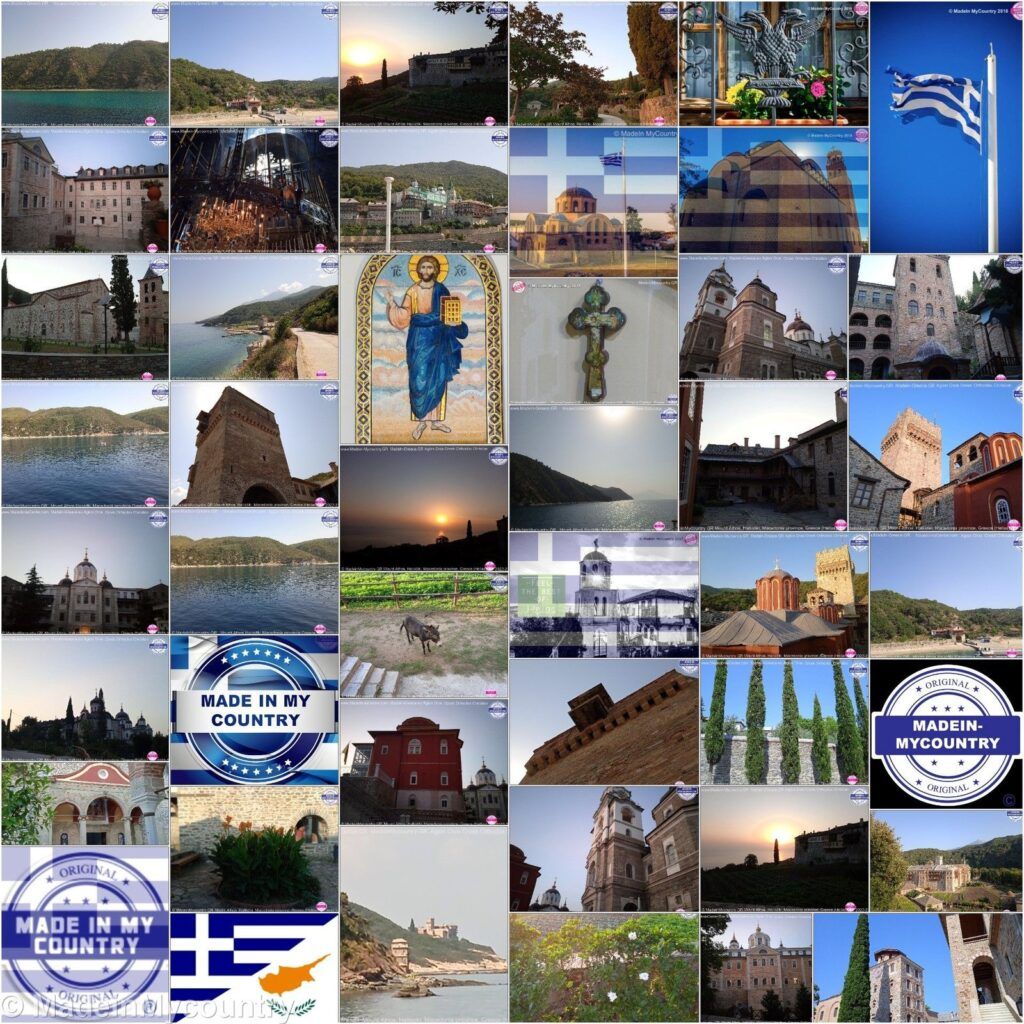
Historical documents regarding the history of ancient Mount Athos are few. We are certain that monks were already there since the 4th century. During this period, both Christians and pagans lived. After the Islamic conquest of Egypt in the 7th century, many monks from the Egyptian desert tried to find another home, and some of them came to the Athos peninsula. In 866, John Kolovos built the first monastic center, Megali Vigla. From then on, Mount Athos became the land of monastic life. In 958 AD, the monk Athanasius the Athonite arrived on Mount Athos from the Monastery of Xerolimna in Asia Minor. In 962, the large central church of the “Prototatus” was built in Karyes. The following year, with the support of Emperor Nikephoros Phocas, the monastery of the Great Lavra was founded, the largest and most important of the 20 monasteries that exist today.
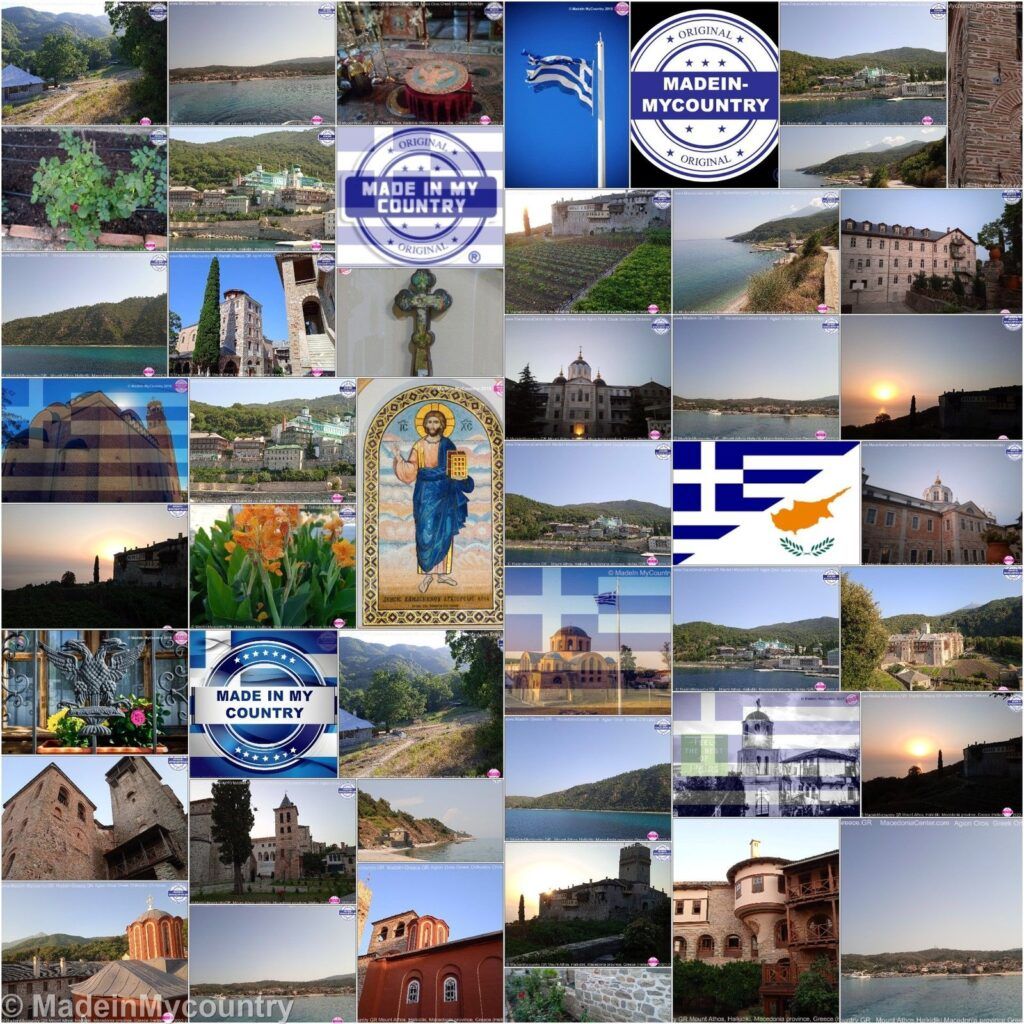
From Byzantium, the Orthodox faith spread to the Balkans, and monks from these lands arrived on Mount Athos to found monasteries. Georgian monks founded the monastery of Iviri (976), the Serbs the monastery of Chilandari (1197), and the Bulgarians the monastery of Zografou (1270).
During the first two centuries of this period, more than 180 monasteries were founded with over 20,000 monks. Later, most were destroyed by the Crusades and pirates. Even these emperors built monasteries. The Christian kings of the Balkans also supported Mount Athos. The Russians founded and supported monasteries.
In 1926, Mount Athos became a self-governing part of the Greek state according to the Treaty of Lausanne (1924). According to this, it is dependent on the Patriarchate of Constantinople and supervised by Greece.
#MADEINMYCOUNTRY,#MOUNTATHOS,#MAKEDONIA,#MADEINMYCOUNTRYGR,#MADEINMYCOUNTRYCY,#MADEINMYCOUNTRYEU,#GREECE,#HELLAS,#CYPRUS,#EU,#BALKANS,#EVROSCENTER,#MACEDONIACENTER,#MADEINGREECE,#MADEINMACEDONIA,#THRACECENTER,#ITISMADEINMYCOUNTRY,#MADEINGREECE,#MADEINMYCOUNTRYCULTURE,#MADEINMYCOUNTRYHISTORY,#SAYMADEIN2WIN,#GRECONORSK,#BALKANSCENTER,#MACEDONIA,#MACEDONIAGR,#THRACE,#EVROS,#CRADDLEOFCIVILIZATION,#AGIONOROS,#CHRISTIANORTHODOX,#GREEKORTHODOX,#CHRISTIANITY